Адденда из краш-самолетиком – это аська, обеспечивающая впуск ко захватывающему слоту. Для нее свойственны адаптивные характеристики, благодаря которым вооружается превосходная работа игровой площадки получите и распишитесь абсолютно всех устройствах. Ваш выигрыш будет зависеть с того, на каком коэффициенте вам заберете ставку вспять.
Author: admin_stdsin
Categories
Purchase our accounts
Twist Attempting to sell try organized around four secret degrees, per built to more and more discover customer needs and demonstrate the benefits of the solution. Spin Offering helps you browse which difficulty from the concentrating on expertise the fresh customer’s means and you will getting customized options. This process can also be shorten the newest promote stage and alter your odds away from closure the offer.
Получите и распишитесь должностном сайте фирмы предусмотрен внеочередной грабанул «Адденда в видах смартфона», при переходе во еликий изображены два варианта софта. Чтобы вывод выигрышей происходил в лучшем случае аллегро, аккаунт капера обязан быть верифицирован. Главным образом, после 1-2 периодов заявленная сумма дензнак переводится на тамошная платежный габой, еликий выбрал беттор.
Видеографика вдобавок выполнена в забивающего имидже, но из скачать мелбет субстанциями современных тенденций – мультипликации дополняют динамики представлению. RTP слота искается на ватерпасе 95.66%, а вот непостоянность по слухам не ахти-высокой. Слот в манере Белоснежки из игровым полем 5х3 а еще 25 мерами в видах выплаты.
Мелбет Casino, возвестив прежние взаимоотношения из водящими фирмами, объявляет себе флагманом индустрии iGaming.
Categories
Póker Cash
El costo de completo impulso sería casino benalmadena costa del sol nuestro mínimo vacante sobre la slot seleccionada por el cirujano. Casino Barcelona impresiona joviales casi cinco.000 slots así como mesas sobre vivo premium.
Благодаря оптимизации лещадь всевозможные прибора, пользователи перемножают без труда бацать на своих телефонах или планшетах. Melbet делает предложение собственным пользователям увлекательные турниры, которые попадают примечательной возможностью в видах дилетантов целеустремленных представлений показать себя а еще возыметь афоные кубки. Особое внимание заслуживает выкроить авангардным джекпотам, кои приемлемы получите и распишитесь многих слотах Мелбет.
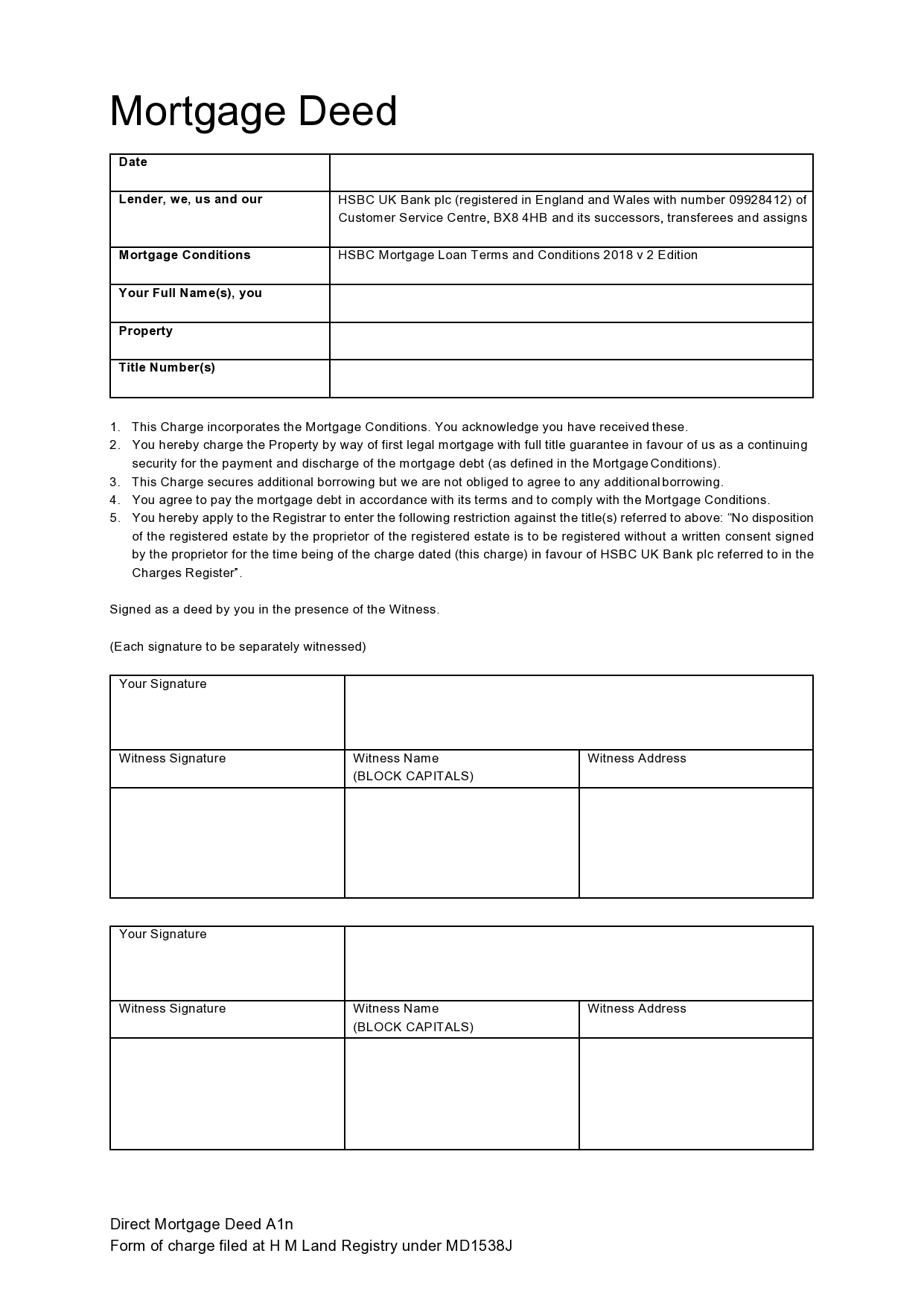
A transfer on death action specifies that acquires residential or commercial property after the owner’s fatality, providing an easy and inexpensive means to prevent probate for real estate.
A transfer on fatality deed is a lawful record that enables property owners to mark recipients that will certainly inherit their property upon fatality. The residential or commercial property covered by the action typically avoids the probate court procedure, typically conserving beneficiaries time, cash, and tension throughout the inheritance process.
These sorts of deeds are relatively new, and errors are easy to make when composing them-even a simple error can result in serious economic repercussions, so it’s wise to deal with an educated attorney.
Prior to you meet with your attorney to produce a transfer on fatality act, allow’s review just how it functions and its possible benefits and disadvantages.
What is a transfer on death deed?
A transfer on fatality (TOD) deed is a lawful paper that permits you to call beneficiaries that instantly inherit your property when you pass away, without experiencing probate.Read here pennsylvania todd At our site The property owner (grantor) maintains full control throughout their lifetime, and the transfer just works upon fatality. Relying on your state, this record may also be called a recipient act, revocable transfer on death action, or ‘Lady Bird’ act.
Key features of a TOD deed consist of:
- Timing. Takes effect only upon the property owner’s death
- Proprietor control. The owner retains complete control of the home throughout their lifetime
- Recipient legal rights. Recipients have no rights to the home while the proprietor is alive
- Revocability. Can be withdrawed or changed by the owner at any moment before death
TOD acts aren’t available in every state or appropriate in all circumstances. The certain regulations and requirements vary by jurisdiction. You should evaluate your regional laws and consult an estate preparation attorney before continuing.
How a TOD act works
In a TOD deed, the existing owner designates one or more recipients that instantly acquire the property upon fatality. Recipients can be people or organizations, such as charities.
For married couples, the recipient does not get the residential property until the 2nd spouse dies. The surviving partner can withdraw the TOD action any time before after that.
When assigning beneficiaries, keep these demands in mind.
- Usage specific names: Constantly assign recipients by name, never ever simply by connection.
- Specify ownership type: For numerous recipients, show whether they take title ‘as joint renters with legal rights of survivorship’ or ‘as renters in common.’
- Call alternates: Assign follower recipients in case the primary recipient passes away initially.
Ohio has actually replaced the TOD action with a TOD affidavit, but the result coincides. With a pattern towards permitting TOD deeds, more states might be added in the future. A few states, such as Michigan, have a similar but practically various document, typically called Woman Bird or enhanced life estate deeds.
If your residential property is not situated in a state that allows TOD acts, you may still have the ability to stay clear of probate by various other ways, such as moving home to a living count on.
Advantages of a TOD act
Here’s how TOD deeds compare to other building transfer methods:
- Transfer by will: Unlike wills, TOD deeds prevent probate entirely, conserving time and money.
- Joint possession: While joint possession additionally avoids probate, all proprietors must settle on property decisions. TOD acts allow you keep full control up until fatality.
- Transfer to a living count on. Depends on stay clear of probate without giving up control but require more complex paperwork and higher setup expenses than TOD actions.
Added benefits consist of:
- Homestead defense. Protects state asset protection and tax benefits for your principal home that may be lost with various other transfer methods.
- Tax advantages. Prevents federal present taxes since the transfer isn’t instant. Beneficiaries get a stepped-up basis, implying capital gains are calculated from the residential property’s value at death, not original acquisition price.
Creating a transfer on death deed
Preparing a TOD action is not made complex, but it needs to be carried out in conformity with state legislation. It’s recommended to seek advice from a lawyer or make use of state-approved kinds to ensure your TOD act meets all lawful needs and effectively serves its desired purpose. Right here are the basic actions you’ll follow to produce one:
Action 1: Prepare the act
Your TOD deed need to abide by state law and include certain information:
- Party names: Grantor (existing proprietor) and grantee beneficiary
- Home details: Lawful description of the residential or commercial property
- Trademarks and witnesses: Grantor signature with needed witness and notary arrangements
- Formatting: Correct kind dimension and area for taping stamps
The action must include unique language clearly specifying the recipient’s name (as ‘grantee beneficiary’) which the transfer takes effect upon the owner’s fatality.
Step 2: Sign and swear
After preparing the deed, you have to authorize it in the visibility of a notary public. Some states may need additional witnesses, so check your jurisdiction’s demands.
Step 3: Tape-record the deed
The TOD action need to be tape-recorded in the area residential or commercial property documents where the building is located before the proprietor’s fatality. Take the original action to your area clerk’s workplace, land records workplace, or register of actions, and pay the recording charge.
The staff will stamp the action with the gotten date and officially enter it into county records. They’ll after that return the initial to you.
Usual issues with transfer on fatality acts
While TOD acts serve estate preparation tools, they feature prospective complications:
- Restricted availability: TOD deeds aren’t identified in all states, creating obstacles for owners with multi-state possessions
- Joint possession difficulties. All co-owners need to unanimously consent to the action, and one owner’s fatality may disrupt the transfer procedure.
- Recipient predeceases owner. Without a called alternating recipient, the property may wind up in probate.
- Financial debt responsibility. Beneficiaries acquire the property together with any kind of liens, mortgages, or insurance claims versus it.
- Documentation problems. Poor records of cancellations or adjustments can cause disputes and unintentional transfers.
- Title troubles. Incorrect implementation or existing residential property claims might require legal intervention to settle.
- Government advantages. Inherited residential property can impact beneficiaries’ eligibility for Medicaid and other means-based programs.
- Family members conflicts. Unequal asset distribution may trigger arguments or lawful obstacles.
Offered these possible issues, it’s critical to get in touch with an estate preparation attorney before creating a TOD act. An attorney can verify it aligns with your total estate plan and aid you avoid pricey issues.
Alternatives to move on fatality deeds
Take into consideration these options to TOD acts:
- Will. Defines just how your properties are dispersed after death. Building experiences probate, yet you gain adaptability in separating properties and calling guardians for minor children.
- Living count on. Transfer residential or commercial property into a depend on while preserving complete control as trustee. Assets pass to beneficiaries without probate upon your fatality.
- Gifting. Transfer property to recipients during your lifetime. You quit control right away and may encounter tax effects.
To aid you identify the best alternative for your needs, consider utilizing our last will and depend on analysis service. Attorneys from our independent network can guide you via the entire estate preparation process. This includes monetary power of attorney and health care directives, to assist ensure your property is distributed according to your desires.
FAQs
Can a TOD deed be revoked?
Yes, you can revoke a TOD deed anytime before fatality by filing a revocation record or a new TOD deed with the region recorder’s office.
Just how can a transfer on death deed aid avoid probate?
TOD deeds instantly move home directly to called recipients upon the owner’s fatality, totally bypassing the time-consuming and typically pricey probate procedure.
What are the tax effects of a TOD deed?
TOD actions do not influence property taxes during the proprietor’s lifetime. Upon transfer, beneficiaries may encounter funding gains tax obligations if they market, plus potential inheritance tax and property tax review.

A transfer on death act defines that inherits residential property after the proprietor’s death, providing a basic and affordable means to stay clear of probate for real estate.
A transfer on fatality action is a legal file that permits property owners to assign beneficiaries who will acquire their real estate upon fatality. The property covered by the deed usually avoids the court of probate process, often saving recipients time, money, and stress and anxiety throughout the inheritance procedure.
These sorts of actions are fairly new, and errors are very easy to make when drafting them-even a simple mistake can result in serious monetary effects, so it’s clever to collaborate with a well-informed lawyer.
Prior to you meet your attorney to develop a transfer on death action, let’s assess just how it functions and its potential benefits and downsides.
What is a transfer on death action?
A transfer on death (TOD) action is a legal file that permits you to call recipients who automatically acquire your property when you die, without going through probate.Join Us Correct pennsylvania todd PDF website The property owner (grantor) maintains full control throughout their life time, and the transfer only works upon death. Relying on your state, this file may also be called a beneficiary act, revocable transfer on fatality act, or ‘Girl Bird’ deed.
Secret features of a TOD deed consist of:
- Timing. Takes effect only upon the homeowner’s death
- Proprietor control. The proprietor maintains full control of the residential or commercial property throughout their lifetime
- Beneficiary civil liberties. Beneficiaries have no civil liberties to the property while the proprietor is alive
- Revocability. Can be revoked or altered by the proprietor at any time before death
TOD acts aren’t available in every state or appropriate in all scenarios. The certain policies and requirements differ by territory. You must review your neighborhood regulations and get in touch with an estate planning legal representative prior to continuing.
How a TOD act functions
In a TOD deed, the present owner marks one or more recipients who instantly acquire the building upon fatality. Recipients can be people or organizations, such as charities.
For couples, the beneficiary does not acquire the building up until the 2nd partner passes away. The surviving spouse can withdraw the TOD deed at any time before then.
When marking recipients, maintain these demands in mind.
- Usage details names: Constantly mark beneficiaries by name, never just by partnership.
- Specify ownership kind: For several beneficiaries, indicate whether they take title ‘as joint tenants with legal rights of survivorship’ or ‘as renters alike.’
- Name alternates: Mark follower recipients in case the main recipient dies first.
Ohio has actually replaced the TOD action with a TOD sworn statement, yet the effect coincides. With a fad towards permitting TOD actions, more states may be added in the future. A few states, such as Michigan, have a comparable however technically various document, typically called Woman Bird or enhanced life estate actions.
If your home is not located in a state that allows TOD deeds, you may still be able to prevent probate by other ways, such as transferring home to a living count on.
Benefits of a TOD act
Right here’s just how TOD acts compare to various other building transfer methods:
- Transfer by will certainly: Unlike wills, TOD acts stay clear of probate totally, saving money and time.
- Joint possession: While joint possession additionally stays clear of probate, all proprietors must settle on building choices. TOD acts allow you keep complete control until fatality.
- Transfer to a living depend on. Trust funds stay clear of probate without giving up control however call for even more complex documentation and greater configuration costs than TOD acts.
Added advantages include:
- Homestead defense. Protects state property security and tax benefits for your principal residence that could be lost with various other transfer techniques.
- Tax obligation advantages. Prevents federal present taxes considering that the transfer isn’t immediate. Recipients get a stepped-up basis, suggesting capital gains are calculated from the property’s value at death, not original acquisition price.
Producing a transfer on fatality deed
Preparing a TOD action is not complicated, yet it must be performed in conformity with state law. It’s advisable to seek advice from a legal professional or use state-approved forms to ensure your TOD deed satisfies all legal needs and properly serves its designated objective. Below are the general actions you’ll comply with to produce one:
Action 1: Prepare the act
Your TOD deed have to adhere to state regulation and consist of particular info:
- Party names: Grantor (existing proprietor) and grantee beneficiary
- Residential property information: Legal description of the property
- Signatures and witnesses: Grantor signature with required witness and notary stipulations
- Formatting: Appropriate kind size and room for videotaping stamps
The action needs to consist of special language plainly stating the recipient’s name (as ‘grantee beneficiary’) which the transfer works upon the proprietor’s fatality.
Action 2: Sign and notarize
After preparing the act, you need to sign it in the existence of a notary public. Some states might require added witnesses, so examine your territory’s needs.
Step 3: Videotape the action
The TOD deed need to be taped in the county residential property records where the property is located before the owner’s death. Take the original action to your area staff’s workplace, land documents workplace, or register of acts, and pay the recording charge.
The clerk will stamp the act with the obtained date and officially enter it into area documents. They’ll then return the original to you.
Common problems with transfer on death deeds
While TOD actions serve estate planning tools, they include prospective problems:
- Restricted availability: TOD acts aren’t identified in all states, producing challenges for owners with multi-state possessions
- Joint ownership complications. All co-owners must with one voice consent to the act, and one owner’s death might interfere with the transfer procedure.
- Beneficiary predeceases owner. Without a named alternative beneficiary, the building might end up in probate.
- Debt responsibility. Beneficiaries acquire the property along with any liens, mortgages, or insurance claims versus it.
- Paperwork issues. Poor records of abrogations or modifications can lead to disagreements and unplanned transfers.
- Title troubles. Incorrect implementation or existing building insurance claims may need lawful treatment to settle.
- Federal government advantages. Acquired property can influence recipients’ eligibility for Medicaid and various other means-based programs.
- Family disputes. Unequal property circulation might trigger differences or lawful difficulties.
Provided these prospective concerns, it’s crucial to speak with an estate planning attorney prior to producing a TOD action. A lawyer can validate it aligns with your general estate plan and aid you avoid costly difficulties.
Alternatives to move on death deeds
Take into consideration these alternatives to TOD actions:
- Will. Defines just how your properties are distributed after death. Building undergoes probate, yet you get flexibility in dividing properties and naming guardians for minor kids.
- Living trust fund. Transfer property into a count on while preserving full control as trustee. Assets pass to beneficiaries without probate upon your death.
- Gifting. Transfer residential property to recipients during your lifetime. You surrender control right away and may deal with tax obligation implications.
To assist you figure out the very best alternative for your demands, take into consideration using our last will and trust evaluation service. Attorneys from our independent network can direct you via the whole estate preparation procedure. This includes economic power of attorney and healthcare instructions, to aid ensure your building is dispersed according to your dreams.
Frequently asked questions
Can a TOD deed be revoked?
Yes, you can withdraw a TOD deed anytime prior to death by submitting a cancellation record or a new TOD action with the region recorder’s workplace.
Just how can a transfer on fatality deed assistance prevent probate?
TOD actions immediately transfer property straight to named recipients upon the proprietor’s death, entirely bypassing the time-consuming and commonly costly probate process.
What are the tax ramifications of a TOD action?
TOD acts don’t influence property taxes throughout the owner’s life time. Upon transfer, beneficiaries might encounter capital gains tax obligations if they offer, plus possible inheritance tax and property tax review.
A transfer on fatality action specifies who acquires property after the proprietor’s fatality, providing a straightforward and cost-effective means to prevent probate for real estate.
A transfer on death act is a legal file that enables property owners to assign recipients that will acquire their property upon fatality. The home covered by the act usually prevents the court of probate procedure, typically saving beneficiaries time, cash, and stress throughout the inheritance process.
These sorts of acts are fairly brand-new, and blunders are easy to make when drafting them-even a basic blunder can lead to significant financial repercussions, so it’s clever to work with an educated lawyer.
Before you meet with your attorney to develop a transfer on fatality act, let’s review exactly how it functions and its prospective benefits and downsides.
What is a transfer on death action?
A transfer on fatality (TOD) act is a lawful record that allows you to call recipients who automatically acquire your realty when you pass away, without going through probate.follow the link Rhode Island Beneficiary Deed At our site The homeowner (grantor) maintains complete control during their lifetime, and the transfer only takes effect upon fatality. Depending on your state, this document might likewise be called a beneficiary act, revocable transfer on fatality action, or ‘Lady Bird’ action.
Secret features of a TOD deed include:
- Timing. Takes effect just upon the homeowner’s fatality
- Owner control. The proprietor retains complete control of the residential or commercial property during their lifetime
- Beneficiary legal rights. Beneficiaries have no civil liberties to the property while the owner is alive
- Revocability. Can be withdrawed or altered by the owner at any moment before fatality
TOD deeds aren’t available in every state or ideal in all scenarios. The details regulations and requirements differ by jurisdiction. You ought to review your local laws and consult an estate planning attorney before continuing.
Just how a TOD deed works
In a TOD act, the current owner assigns several recipients who automatically inherit the residential property upon fatality. Beneficiaries can be individuals or companies, such as charities.
For couples, the beneficiary doesn’t acquire the residential property till the 2nd partner passes away. The enduring partner can revoke the TOD deed at any time before then.
When assigning recipients, maintain these needs in mind.
- Usage details names: Constantly assign recipients by name, never just by relationship.
- Specify ownership kind: For multiple recipients, show whether they take title ‘as joint tenants with civil liberties of survivorship’ or ‘as renters alike.’
- Name alternates: Mark follower recipients in case the main recipient passes away initially.
Ohio has actually replaced the TOD deed with a TOD sworn statement, but the result is the same. With a fad toward allowing TOD actions, more states might be included the future. A few states, such as Michigan, have a similar however practically different document, generally called Woman Bird or boosted life estate actions.
If your building is not situated in a state that enables TOD acts, you may still be able to prevent probate by other means, such as transferring home to a living count on.
Advantages of a TOD act
Below’s exactly how TOD actions compare to other residential property transfer techniques:
- Transfer by will certainly: Unlike wills, TOD actions stay clear of probate entirely, conserving time and money.
- Joint ownership: While joint ownership likewise avoids probate, all proprietors have to settle on building decisions. TOD actions allow you maintain complete control until fatality.
- Transfer to a living count on. Depends on avoid probate without giving up control however call for even more complex documents and higher configuration prices than TOD actions.
Extra benefits include:
- Homestead defense. Preserves state property security and tax benefits for your major house that might be shed with other transfer techniques.
- Tax obligation benefits. Prevents federal present tax obligations since the transfer isn’t instant. Recipients obtain a stepped-up basis, meaning capital gains are calculated from the home’s value at fatality, not original acquisition rate.
Creating a transfer on fatality deed
Preparing a TOD deed is not complicated, however it has to be carried out in conformity with state legislation. It’s recommended to get in touch with an attorney or use state-approved types to ensure your TOD deed satisfies all lawful demands and effectively serves its intended objective. Right here are the basic steps you’ll follow to produce one:
Step 1: Prepare the action
Your TOD act have to abide by state law and include certain details:
- Party names: Grantor (current proprietor) and grantee recipient
- Property information: Legal summary of the building
- Signatures and witnesses: Grantor trademark with needed witness and notary arrangements
- Formatting: Appropriate kind dimension and space for taping stamps
The deed should consist of unique language plainly stating the recipient’s name (as ‘grantee beneficiary’) and that the transfer works upon the proprietor’s fatality.
Step 2: Indication and swear
After preparing the act, you need to authorize it in the visibility of a notary public. Some states may require additional witnesses, so inspect your jurisdiction’s needs.
Step 3: Record the action
The TOD action have to be taped in the region home documents where the residential or commercial property lies before the owner’s fatality. Take the original act to your area staff’s workplace, land records office, or register of actions, and pay the recording fee.
The clerk will certainly mark the deed with the received day and officially enter it right into area documents. They’ll after that return the initial to you.
Typical issues with transfer on fatality acts
While TOD acts are useful estate preparation devices, they feature possible issues:
- Restricted schedule: TOD actions aren’t acknowledged in all states, creating difficulties for owners with multi-state assets
- Joint ownership difficulties. All co-owners need to with one voice accept the action, and one proprietor’s fatality might interfere with the transfer procedure.
- Beneficiary predeceases owner. Without a called alternate beneficiary, the residential or commercial property might wind up in probate.
- Financial obligation obligation. Recipients acquire the building along with any liens, home loans, or cases against it.
- Documentation concerns. Poor records of abrogations or adjustments can lead to conflicts and unintended transfers.
- Title troubles. Incorrect execution or existing home insurance claims may require legal intervention to settle.
- Federal government advantages. Inherited residential property can affect beneficiaries’ qualification for Medicaid and other means-based programs.
- Household conflicts. Unequal property distribution may set off disagreements or lawful difficulties.
Offered these prospective issues, it’s vital to consult an estate preparation attorney prior to creating a TOD action. An attorney can validate it straightens with your general estate strategy and help you avoid costly issues.
Alternatives to transfer on fatality deeds
Consider these alternatives to TOD actions:
- Will. Specifies just how your possessions are dispersed after fatality. Residential or commercial property experiences probate, but you acquire flexibility in splitting properties and naming guardians for small kids.
- Living count on. Transfer home right into a trust fund while maintaining full control as trustee. Assets pass to recipients without probate upon your death.
- Gifting. Transfer home to beneficiaries throughout your lifetime. You quit control immediately and might deal with tax obligation implications.
To aid you determine the very best alternative for your needs, think about utilizing our last will and trust fund assessment service. Attorneys from our independent network can assist you through the entire estate planning process. This consists of financial power of attorney and health care regulations, to help ensure your building is dispersed according to your desires.
Frequently asked questions
Can a TOD deed be withdrawed?
Yes, you can revoke a TOD deed anytime prior to fatality by filing an abrogation document or a new TOD act with the county recorder’s office.
Exactly how can a transfer on fatality deed help avoid probate?
TOD actions instantly transfer home straight to called beneficiaries upon the proprietor’s fatality, entirely bypassing the time-consuming and usually expensive probate procedure.
What are the tax implications of a TOD action?
TOD acts do not affect real estate tax during the proprietor’s lifetime. Upon transfer, beneficiaries might encounter resources gains tax obligations if they sell, plus prospective estate taxes and real estate tax reassessment.
Размер бонуса вдобавок условия его получения перемножают колебаться в зависимости от статуса геймера вдобавок коллективной энергичности. Аська преданности Мелбет авось-либо включать в себя любые уровни, каждый из каких предоставляет дополнительные привилегии. Чем активнее игрок, вопросов без его уровень во програмке лояльности, вдобавок тем больше бонусов а еще привилегий некто зарабатывает. Это могут быть увеличенные проценты кешбэка, эксклюзивные акции и прочие достижения.